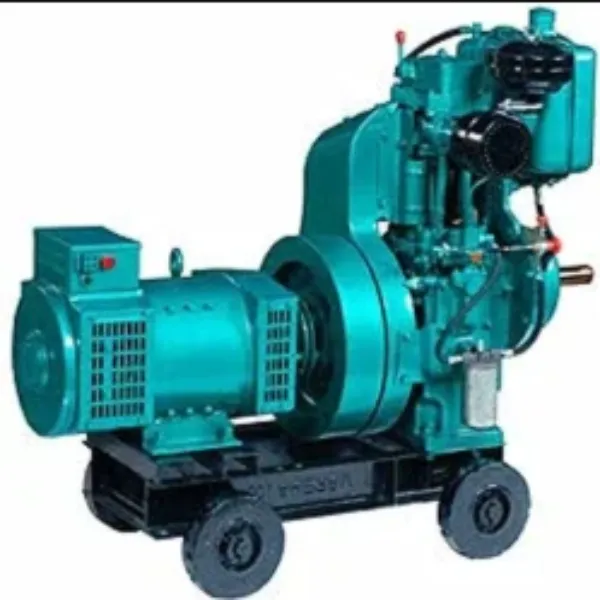
A diesel generator can provide essential backup power during outages, at remote worksites, or in areas where a permanent electrical connection is unavailable. It may support agricultural pumps, construction tools, workshops, commercial operations, and emergency equipment. Its reliability, however, depends heavily on correct loading, safe installation, and preventive maintenance.
Nagpur Agricultural Equipment Engineers Pvt. Ltd works with customers across Nagpur who require dependable equipment for agricultural, construction, and commercial applications. Understanding basic generator operation helps users avoid breakdowns, excessive fuel consumption, and unsafe working conditions.
Calculate the Required Load Correctly
Generator capacity should be based on the total operating load and the starting requirement of connected equipment. Motors, pumps, compressors, and some construction machines draw more electricity during startup than during normal operation.
To estimate the requirement:
- List every device that may run simultaneously.
- Note the operating wattage of each device.
- Identify equipment with a high starting current.
- Add a reasonable safety margin.
- Avoid selecting capacity solely from average consumption.
An undersized generator may struggle during startup, experience voltage fluctuations, or shut down under overload. A heavily oversized unit may operate inefficiently when used continuously at a very low load.
Place the Generator in a Safe Location
A diesel generator must operate in a properly ventilated area. Exhaust gases contain carbon monoxide, which can accumulate without warning in enclosed or partially enclosed spaces.
The generator should be positioned on a stable, level surface away from doors, windows, occupied rooms, and combustible materials. A weather-protective structure may be necessary, but it must not restrict ventilation or exhaust flow.
Safe installation also requires suitable earthing, correctly rated cables, protected connections, and an approved changeover arrangement. Directly connecting a generator to building wiring without proper isolation can create serious electrical hazards.
Follow a Pre-Start Inspection
A brief check before each use can identify developing problems early. Inspect the generator for fuel leakage, loose wires, damaged cables, oil loss, coolant issues, and obstructed ventilation openings.
Before starting, confirm that:
- Engine oil is at the correct level
- Adequate clean fuel is available
- The air filter is not blocked
- The battery terminals are secure
- Connected loads are switched off
- The exhaust area is clear
- Emergency controls are accessible
Allow the engine to stabilise before gradually applying the electrical load.
Maintain the Engine and Electrical System
Maintenance intervals depend on operating hours, load conditions, dust exposure, and manufacturer specifications. Nagpur’s dry and dusty conditions can cause air filters to clog faster, especially at farms and construction sites.
Engine oil and filters should be changed at the prescribed intervals. Fuel filters require inspection because contaminated diesel can affect injection components. Cooling systems, belts, hoses, batteries, and alternator connections also need periodic attention.
Users should maintain a simple service record showing operating hours, fuel consumption, oil changes, filter replacement, and observed faults. This makes recurring issues easier to identify.
Avoid Common Operating Mistakes
Frequent overload, prolonged low-load operation, poor-quality fuel, and irregular servicing can shorten generator life. Refuelling while the engine is running or hot creates an avoidable fire risk.
Other mistakes include allowing rainwater to reach electrical components, using damaged extension cables, ignoring abnormal smoke, and shutting the generator down immediately after heavy operation. Removing the load and allowing a short cool-down period can help stabilise engine temperature.
Prepare for Long Storage Periods
A generator kept unused for months may develop battery, fuel, or lubrication problems. Periodic test runs under a controlled load help confirm that the system remains operational. Fuel quality should be monitored, and the battery should remain properly charged.
A diesel generator is most dependable when it is treated as maintained equipment rather than an emergency machine that receives attention only during a power failure. Correct sizing, safe placement, scheduled servicing, and routine testing can support stable backup power for users throughout Nagpur and wider Maharashtra.
Keywords