
A portable two-stroke pump is not selected by horsepower or maximum advertised discharge alone. Define the required flow, total dynamic head, suction conditions and operating hours first, then compare the Shakti unit with electric, submersible, pressure, petrol and diesel alternatives using measured performance and total operating cost.
Key takeaways
- Specify flow rate, total head and duty cycle before comparing horsepower.
- Match the pump to water source, solids, suction lift and operating hours.
- Check suction leaks, blocked strainers and impeller wear before blaming the engine.
- Demand a written duty point, warranty terms and commissioning test results.
Start with the duty point, not the engine horsepower
A Shakti water pump comparison for commercial use in Nagpur starts with the duty point, not engine horsepower. State the water volume required at the outlet and the height and resistance the pump must overcome. A pump’s maximum head or advertised flow alone does not show what it will deliver in service.
Write down these figures before comparing a Shakti model with an electric or diesel set:
- Required flow: litres per minute or cubic metres per hour, including peak demand from simultaneous outlets.
- Total dynamic head: static elevation from water level to discharge point, plus pipe-friction loss and pressure required at the outlet.
- Suction lift: the vertical distance from the source water level to the pump, not the depth of the well alone.
- Pipe route: suction and delivery pipe lengths, internal diameters, elbows, valves, filters and hose restrictions.
- Water temperature, source level changes and daily operating hours.
- Duty pattern: short tank filling, intermittent supply, site dewatering or continuous commercial operation.
Use these figures against the model-specific performance curve. The curve must show flow at your calculated head; the motor rating cannot substitute for that evidence. A higher-horsepower pump can waste fuel, overload narrow pipework and operate away from its best-efficiency point.
For the GT-WP10E or any other Shakti pump, request the curve, rated duty, maximum recommended suction lift and continuous-running limits. Confirm the pump can meet peak flow after friction losses, not merely lift water in an open hose.
Match the pump type to the water source and duty cycle
A two stroke water pump comparison starts with water level and operating hours, not horsepower. A Shakti two-stroke surface pump suits short, portable jobs where electricity is unavailable: filling a tank from a nearby sump, irrigation, emergency transfer or intermittent site dewatering.
Its suction lift remains limited; the 10.3 m atmospheric figure is theoretical, and pipe friction, hot water, altitude and air leaks reduce practical lift.
| Option | Best fit | Main limitation |
|---|---|---|
| Shakti two-stroke surface pump | Nearby open source, intermittent duty, portability | Premixed petrol-oil fuel, noise, exhaust and limited suction lift |
| Electric monoblock | Regular transfer where reliable electricity exists | Stops during outages; needs correct cable, voltage and protection |
| Borewell submersible | Deep borewell or sump, continuous lifting | Requires suitable bore diameter, submerged installation and electrical supply |
| Pressure pump | Boosting an already available tank or mains supply | Not a replacement for a source pump; dry running damages seals |
| Larger petrol or diesel centrifugal pump | Higher flow, longer runtime or demanding construction dewatering | Heavier, louder and costlier to operate and maintain |
Choose the Shakti unit when the source is shallow, the required flow is intermittent and refuelling is acceptable. Choose another type when you need many continuous hours, multiple outlets or deep extraction.
- Reject a surface pump if suction lift is excessive, the foot valve cannot stay submerged, or the suction hose is narrow.
- Confirm delivered flow at total dynamic head, not maximum head on the label.
- For drinking or process water, obtain wetted-part and elastomer material details; an irrigation pump is not automatically suitable.
Diagnose Shakti pump problems before blaming the engine
A recoil that will not start does not prove an engine fault. Check the fuel-oil mixture, fuel tap, tank vent, choke, spark plug and plug cap, then turn the shaft by hand for seizure. If the engine runs but the pump produces no water, investigate the hydraulic side before replacing engine parts.
1. Prime the casing completely and inspect the suction hose for cracks, loose clamps and soft sections that collapse under suction. A leaking or incorrectly fitted foot valve, an uncovered strainer, or a water level below the suction inlet causes repeated loss of prime.
2. Treat rapid heating as a stop signal. A closed discharge valve traps water in the casing and can heat it quickly; open the valve to the specified operating position and check that water is actually moving. Do not continue testing a dry pump.
3. For low flow, clear the strainer, foot valve, impeller passage, delivery pipe and partly closed valves. Confirm the pipe diameter, suction lift and total head against the model-specific curve; a pump outside its duty point will not deliver its advertised maximum.
4. Check unstable discharge for air entering the suction line, a fluctuating source level, cavitation or a loose hose connection. Pulsing can also follow an oversized suction lift or a blocked inlet.
5. Record flow, discharge pressure and engine speed while the fault occurs. These readings separate common Shakti water pump problems from fuel faults and show whether the installation, not the engine, needs correction.
Compare fuel, electricity, maintenance and commercial risk
If the pump runs for many hours, electricity usually costs less than petrol after you include fuel, two-stroke oil, servicing and refuelling time. Calculate cost per cubic metre delivered, not cost per hour or engine horsepower.
| Option | Operating cost and maintenance | Commercial risk |
|---|---|---|
| G. T. Shakti two-stroke petrol | Fuel consumption × petrol price, plus specified oil-mix cost, spark plugs, carburettor cleaning, seals and impeller wear | Portable and outage-tolerant, but recoil starting, premixing errors, exhaust and noise disrupt shops, apartments and enclosed sites |
| Electric monoblock | kWh per cubic metre × tariff; add starter or control-panel checks, cable losses and protection testing | Lowest routine burden with dependable supply, but voltage drops and outages stop delivery unless you provide a standby pump or storage |
| Larger petrol or diesel centrifugal | Higher fuel use and service demand, with longer refuelling intervals and greater purchase cost | Suits sustained high flow, but fuel storage, exhaust ventilation, fire controls and breakdown consequences increase |
For a Shakti pump, record litres of fuel and oil used against the delivered volume. A low purchase price becomes expensive when the unit runs throughout the day.
Nagpur heat, dust and voltage fluctuation affect the choice. Keep petrol away from ignition sources, never run the engine in a closed pump room, and route exhaust away from people and air intakes. Noise can create complaints near housing or schools. Protect electric equipment with correctly sized overload, earthing, dry enclosures and phase-failure protection.
During monsoon flooding, raise connections and keep fuel containers above water. Compare the cost of these controls, standby capacity and local service response before choosing.
What to demand from a commercial pump quotation and commissioning check
Before buying, ask a commercial pump dealer in Nagpur for a written duty point: flow in L/min or L/s, total dynamic head in metres, suction lift, water temperature and daily runtime. The quotation must identify the exact model, performance curve, motor rating, efficiency, operating voltage and expected operating point—not only horsepower.
| Item | Demand in writing | Why it matters |
|---|---|---|
| Duty and materials | Curve, flow, head, wetted-part materials and elastomers | Irrigation equipment may fail with grit, corrosive water or potable-water requirements |
| Complete system | Starter or control panel, cable size, valves, strainer, foot valve, piping and standby arrangement | A cheap pump-set quote can omit the parts that determine delivery and safety |
| Protection | Dry-run, overload, low/high-voltage and phase-failure or phase-sequence protection | These prevent damage from empty sources, voltage drop and incorrect three-phase wiring |
| Ownership terms | Warranty exclusions, service response time, spare-part lead time and local service contact | Downtime costs more than a small purchase-price difference |
Put these commissioning records in the handover file:
- Suction condition, water level, priming method and foot-valve leakage check.
- Discharge pressure and measured flow at the actual operating point.
- Motor current on each phase, supply voltage and confirmed rotation.
- Abnormal vibration, seal leakage, noise and temperature after running.
- Valve settings and instructions against running a centrifugal pump with discharge fully closed.
Nagpur Agricultural Equipment Engineers Pvt. Ltd. can help compare a complete electric installation with an engine-driven set, but require the same duty, protection and service details for both before choosing outage resilience over fuel, exhaust and maintenance.
Related items
 | kirloskar pump ₹9000 Domestic and Community Water Supply Water Supplies for High Rise Building Gardening and Small Farm Irrigation Construction Site Ground Water Supply... View product → |
 | Doctor Tractor Driven Pumps Doctor Tractor Driven Pumps Power Source Electric Pump Type Rotary Pump Maximum Discharge Flow 120LPH Motor Speed (RPM) 600 Efficiency 85 % Cooling Method Air Cooled Motor... |
Frequently asked questions
Why should you start with the duty point instead of engine horsepower?
Flow rate and total dynamic head show what the pump must deliver. Horsepower alone does not confirm performance at your required outlet pressure and volume.
How do you choose between pump types for commercial water supply?
Match the pump to the water source, suction lift, solids content, required flow, total head and daily duty cycle. A two-stroke pump suits different operating conditions from an electric centrifugal or diesel pump.
What should you check before blaming the engine for Shakti water pump problems?
Inspect the suction hose, foot valve, strainer, air leaks, fuel system, impeller and discharge restrictions. Loss of prime or a blocked intake can cause poor delivery without an engine fault.
What should a commercial pump quotation and commissioning check include?
Request the pump model, duty point, motor or engine rating, pipe sizes, fuel or power consumption, warranty, spares support and installation scope. During commissioning, record flow, pressure, running current or fuel use and abnormal vibration.
Related products
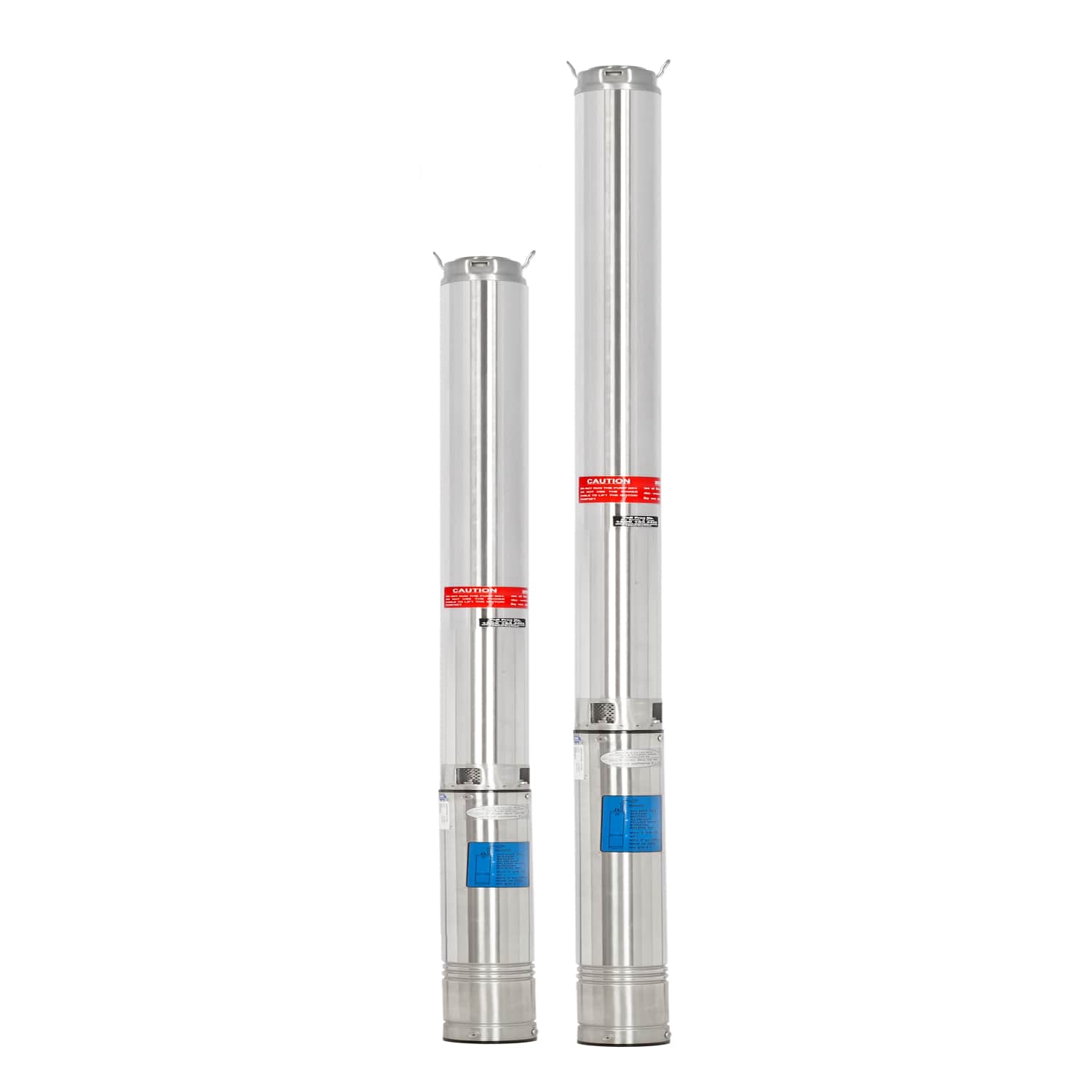
 | Kirloskar Domestic borewell Submersible Pumps Kirloskar Domestic borewell Submersible Pumps These pumps are featuring stainless steel construction and efficient design, the motor adds to the performance and longevity of the pump. View product → |
 | kirloskar pump ₹8829 Kirloskar KOS i 135 •Domestic and Community Water Supply •Gardening and Small Farm Irrigation •Water Fountains •Construction Site •Water Supply to... View product → |
 | Kirloskar CHHOTU Mini Family Pump Kirloskar CHHOTU Mini Family Pump ₹2650 This highly efficient pump which is lightweight and easy to handle is also UPS compatible. View product → |
 | WATER PUMP 2 STROCK GT Shakti-Gasoline 2 Stroke Portable Water Pump Set/Agriculture Irrigation Machine . View product → |
Keywords