Preparing soil manually can require considerable time, labour, and physical effort. For farmers managing small or medium-sized plots, a power weeder offers a practical way to complete routine soil preparation more efficiently. It is especially useful for removing weeds, loosening compacted soil, mixing organic matter, and preparing land between crop cycles.
Nagpur Agricultural Equipment Engineers Pvt. Ltd supports farmers and agricultural users in Nagpur with equipment suited to different field conditions. Before selecting a power weeder, however, it is important to understand how the machine works and where it delivers the greatest value.
What Is a Power Weeder?
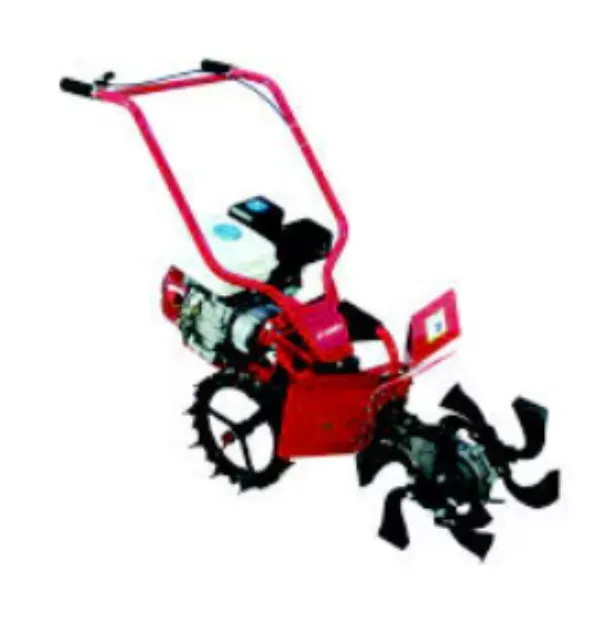
A power weeder is a compact agricultural machine designed to cultivate the upper layer of soil. Its rotating blades cut through weeds and break up the ground, reducing dependence on manual tools.
Depending on the model and attachments, it may be used for:
- Removing weeds between crop rows
- Preparing seedbeds
- Loosening hard surface soil
- Mixing compost or fertiliser
- Creating shallow furrows
- Maintaining orchards and vegetable farms
- Cultivating land where larger tractors cannot operate easily
Because of its compact structure, the machine is often suitable for farms with narrow passages, smaller plots, or closely spaced crops.
Where Power Weeders Are Most Useful in Nagpur
Agricultural requirements across Nagpur and nearby areas of Maharashtra vary according to soil condition, crop type, water availability, and farm size. A power weeder can be particularly helpful for vegetable cultivation, cotton fields, orchards, nurseries, and inter-row operations.
The machine is most effective when weeds are still young and the soil contains moderate moisture. Extremely dry or waterlogged ground may reduce working efficiency and place unnecessary pressure on the blades and engine.
Important Features to Understand
Engine capacity affects how comfortably a machine can operate in different soil conditions. Lighter models may be adequate for soft soil and shallow cultivation, while heavier machines are generally better suited to demanding farm work.
Working width determines how much ground can be covered in one pass. A wider width improves coverage on open plots, whereas a narrow configuration provides better control between crop rows.
Blade design is equally important. Different blade shapes and arrangements influence penetration, soil breakup, and weed removal. Farmers should also consider machine weight, fuel type, handle adjustment, transmission, and the availability of compatible attachments.
How to Use a Power Weeder Effectively
Inspect the field before beginning work. Stones, wire, thick roots, and other obstacles can damage the rotating assembly or create a safety hazard.
For better results:
- Check the engine oil and fuel level.
- Inspect blades, nuts, belts, and guards.
- Set an appropriate cultivation depth.
- Begin at a low operating speed.
- Maintain a straight and steady movement.
- Avoid forcing the machine into excessively hard soil.
- Clean accumulated roots and mud after use.
Repeated shallow passes are often more effective than attempting deep cultivation in a single operation.
Maintenance That Protects Performance
A power weeder works in dusty and demanding conditions, making regular maintenance essential. The air filter should be cleaned periodically, particularly during dry-weather operation. Blades must be checked for bending, cracks, or excessive wear.
Moving parts should be lubricated according to the equipment instructions. Fuel-powered models should not be stored for long periods with deteriorating fuel in the system. After each use, soil and plant material should be removed before the machine is kept in a dry, covered location.
A correctly selected and properly maintained power weeder can reduce repetitive manual work while supporting timely field preparation. Understanding the crop layout, soil condition, working area, and required attachments helps farmers choose a machine that fits everyday agricultural operations in and around Nagpur.
Keywords