Small-scale farming often involves repeated soil preparation, cultivation, plus field maintenance tasks. When these jobs depend heavily on manual labour, completing them within the right agricultural window can become difficult.
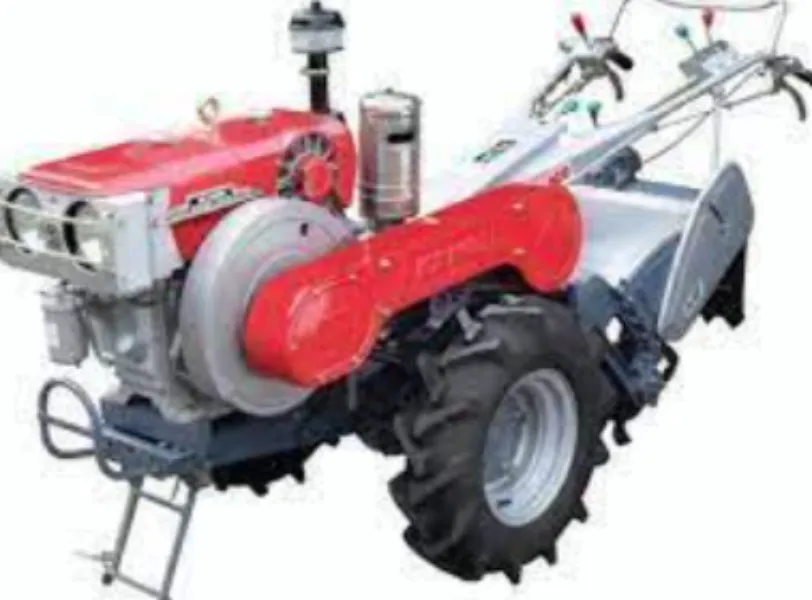
A Power Tiller provides compact mechanisation for farms where larger tractors may not be practical.
Across agricultural areas near Nagpur, such equipment can support farmers managing small plots, horticultural crops, vegetable cultivation, plus other applications requiring flexible field movement.
Primary Tillage Applications
Power tillers can be used for soil-working tasks depending on machine design plus compatible attachments.
They may help loosen cultivated soil, prepare seedbeds, manage field surfaces, plus support repeated land preparation.
For small plots, their compact dimensions can make movement easier compared with larger agricultural machinery.
Useful for Vegetable Cultivation
Vegetable farming often involves relatively small beds plus repeated cultivation cycles.
Fields may need preparation several times during the year, particularly where growers rotate seasonal crops.
A power tiller can reduce the manual effort required for selected soil preparation activities while helping farmers complete work more quickly.
Applications in Horticulture
Orchards plus horticultural farms can present access challenges.
Trees, irrigation lines, narrow passages, plus restricted turning space may limit larger machinery.
Compact equipment can be useful where sufficient clearance exists for safe operation.
Farmers should still check row spacing plus attachment dimensions before selecting machinery for orchard use.
Labour Availability Is an Important Factor
Agricultural labour demand often rises sharply during sowing, transplanting, weed management, plus harvesting periods.
When several farms require workers simultaneously, labour availability can become difficult.
Mechanising selected repetitive tasks can reduce dependence on large labour teams for certain operations.
This does not eliminate the need for skilled farm workers. Instead, it allows available labour to be used more efficiently.
Soil Condition Affects Performance
Machine performance changes with soil moisture, texture, compaction, plus crop residue.
Extremely hard soil may require different preparation from previously cultivated loose soil. Wet conditions can create sticking plus traction problems.
Nagpur's seasonal weather means farmers may encounter very different field conditions before monsoon, during rainy periods, plus through the drier months.
Timing field operations according to soil condition can improve both productivity plus machine performance.
Attachment Selection Expands Utility
Depending on the equipment configuration, compatible implements can extend the usefulness of a power tiller.
Before purchasing attachments, farmers should confirm compatibility plus understand the power requirement of each implement.
Using an attachment outside the machine's recommended capability can reduce performance plus increase mechanical stress.
Safe Operation Requires Familiarity
Compact agricultural machinery still requires careful handling.
Operators should understand startup procedures, controls, turning behaviour, shutdown procedures, plus safe working distances.
Loose clothing should be avoided around moving components. Bystanders should remain away from active cultivation areas.
Manufacturer safety instructions should always guide operation.
Maintenance Protects Seasonal Availability
Agricultural machinery may remain unused between seasons before suddenly being needed for intensive work.
Routine checks should cover lubricants, filters, fuel system, tyres where fitted, blades, belts, fasteners, plus controls.
Cleaning soil plus plant residue after use also helps keep components accessible for inspection.
Evaluating a Power Tiller in Nagpur
Nagpur Agricultural Equipment Engineers Pvt. Ltd. supplies agricultural machinery for varied farming requirements across Nagpur plus surrounding regions of Maharashtra.
Before choosing a Power Tiller, farmers should consider field size, soil type, crop pattern, working width, attachments, annual usage, plus maintenance requirements.
The greatest benefit comes from using mechanisation where it solves recurring field problems. For small farms with repeated soil-working requirements, a correctly selected power tiller can reduce physical effort while helping important operations stay closer to the planned agricultural schedule.
Keywords