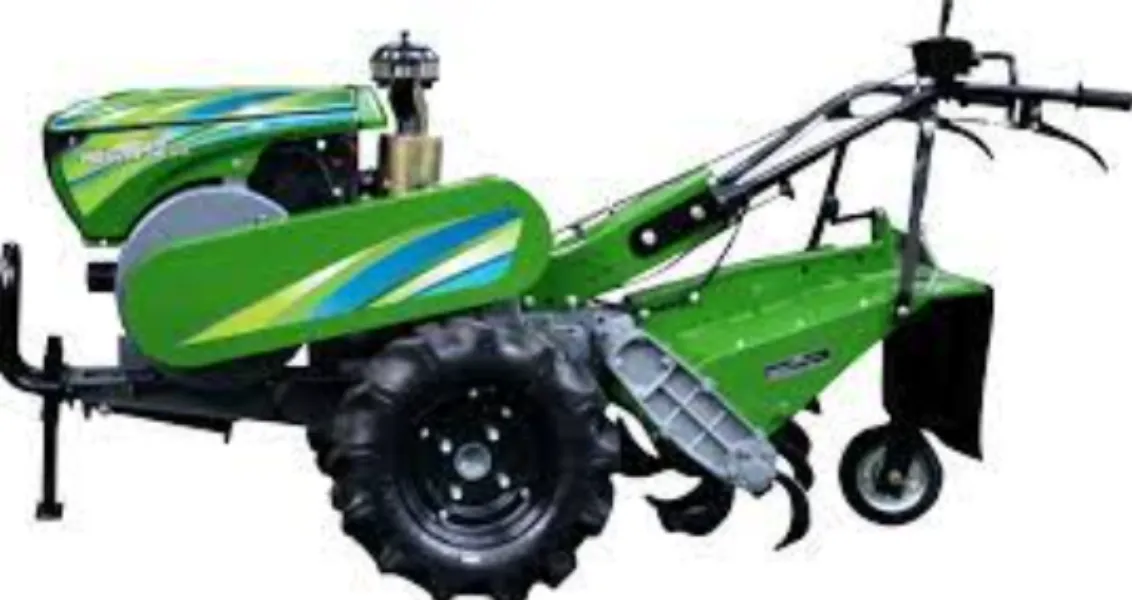
A power tiller can handle several farm operations while remaining easier to manoeuvre than a conventional tractor. It is commonly considered by small and medium-scale farmers who want to mechanise soil preparation, intercultural work, and light transportation. The right machine can reduce manual effort, but its value depends on whether it matches the farm’s acreage, soil, crops, and seasonal workload.
Nagpur Agricultural Equipment Engineers Pvt. Ltd helps farmers in Nagpur evaluate agricultural machinery for practical field applications. Before purchasing a power tiller, buyers should compare performance, compatibility, operating comfort, and long-term maintenance requirements.
Define the Main Farm Applications
Begin by listing the jobs the machine will perform. A power tiller may support:
- Primary and secondary tillage
- Seedbed preparation
- Puddling in suitable fields
- Inter-row cultivation
- Weed management
- Ridging and furrowing
- Water-pump operation with compatible systems
- Light transport using an approved trailer
- Harvest-related work with suitable attachments
Not every power tiller supports every application. The machine, transmission, power output, and attachment system must be checked against the planned tasks.
Match Power to Soil Conditions
Engine capacity should reflect the type of soil and depth of cultivation required. Lighter models may be suitable for soft soil, shallow cultivation, and garden-scale applications. Harder or more compacted ground may require greater power, stronger blades, and additional machine weight.
Soil conditions around Nagpur and other parts of Maharashtra can vary considerably. Dry ground may become difficult to penetrate, while wet soil may stick to blades and reduce efficiency. A field demonstration under conditions similar to the buyer’s farm can provide a clearer performance assessment.
Check Working Width and Depth
A broader working width can improve coverage on open land, while a narrower setup may be more convenient for vegetable plots, orchards, and closely spaced crop rows.
Working depth affects how the soil is loosened and prepared. Buyers should confirm whether the machine offers adjustable depth and whether compatible blade configurations are available for different operations.
Assess Operator Comfort and Control
A power tiller requires active operator involvement. Poor handle positioning, excessive vibration, difficult gear changes, or an unbalanced machine can increase fatigue during extended use.
During a demonstration, check:
- Starting ease
- Handle-height adjustment
- Clutch and brake control
- Gear selection
- Turning effort
- Forward and reverse movement
- Vibration at operating speed
- Visibility of the working area
Training is important for first-time users, particularly when changing attachments or operating on uneven ground.
Review Maintenance and Spare Support
Routine maintenance has a direct effect on machine life. Ask about engine oil intervals, air-filter care, transmission lubrication, belt or clutch adjustment, blade replacement, and recommended storage practices.
Spare parts and service availability should be evaluated before purchase. A machine that remains idle during a critical farming period can create costs beyond the repair itself.
Compare Complete Ownership Cost
The purchase price is only one part of the investment. Farmers should also calculate fuel consumption, attachments, transport, servicing, replacement blades, and expected annual usage.
A power tiller becomes financially practical when it completes enough productive work to reduce recurring labour or hired-machinery expenses. Sharing arrangements may also be considered when individual usage is limited.
Farmers planning to purchase a power tiller in Nagpur can speak with Nagpur Agricultural Equipment Engineers Pvt. Ltd about their acreage, crops, soil conditions, and attachment requirements. A needs-based assessment helps identify a machine capable of delivering reliable value across multiple farming seasons.
Keywords