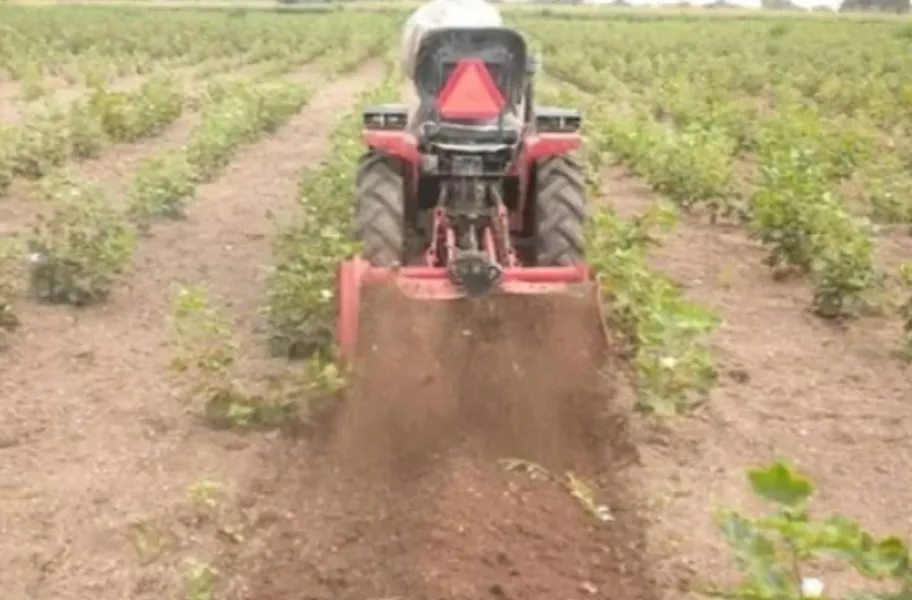
A full-size tractor can be more machine than necessary for certain farms. Small landholdings, orchards, nurseries, vegetable plots, plus narrow-row applications often need equipment that provides useful pulling power while remaining compact enough for restricted spaces.
A Mini Tractor can fill this gap.
For farmers around Nagpur, Maharashtra, the right choice depends on land size, crop pattern, implements, terrain, plus annual working hours.
Begin With Farm Layout
Farm acreage alone does not determine tractor suitability.
A relatively large orchard may still contain narrow passages between trees. A smaller open field may provide unrestricted manoeuvring space.
Consider:
- Row spacing
- Turning area
- Gate width
- Tree spacing
- Field boundaries
- Surface slope
- Storage space
These factors influence how comfortably a tractor can operate throughout the property.
List the Main Jobs
Before comparing specifications, identify what the tractor will actually do.
Common requirements may include soil preparation, intercultural operations, transport, spraying support, trailer work, plus selected implement operation.
A farmer primarily handling light orchard tasks may have different requirements from someone expecting regular tillage plus transport work.
Buying based on actual jobs helps avoid unnecessary capacity.
Implement Compatibility Is Essential
A tractor becomes useful through the implements it can operate.
Check compatibility with the implements expected on the farm. Relevant considerations can include power requirement, hitch arrangement, PTO characteristics, hydraulic capability, plus machine weight.
Existing implements should also be considered if the farmer plans to continue using them.
Manoeuvrability Creates Practical Value
Compact dimensions can reduce turning difficulty within orchards plus small plots.
This can help operators work closer to crop rows while spending less time repositioning equipment.
A smaller turning footprint may also be useful around farm buildings, storage sheds, plus internal pathways.
Fuel Efficiency Depends on Workload
Fuel consumption should be evaluated in relation to actual work completed.
Operating a larger tractor for repeated light-duty tasks may not always be the most economical approach.
A properly matched mini tractor can offer practical fuel use when the workload falls within its intended capability.
Maintenance condition, tyre pressure, operator technique, soil resistance, plus implement matching also affect fuel consumption.
Operator Comfort Should Not Be Ignored
Agricultural machinery may be used for several hours during peak periods.
Control layout, seating position, visibility, steering effort, plus ease of getting on plus off the tractor can influence operator fatigue.
A test of the operating position can reveal practical details that specification sheets cannot fully communicate.
Think About Service Requirements
Every tractor requires routine servicing.
Before purchasing, farmers should understand service intervals, consumable requirements, spare availability, plus routine maintenance procedures.
A machine that fits the farm but becomes difficult to maintain can create downtime during critical agricultural periods.
Calculate Use Across the Year
A useful buying decision considers more than one season.
List expected tasks across land preparation, sowing periods, intercultural operations, crop maintenance, harvesting support, plus transport.
If the tractor can support several recurring activities, its utilisation can improve significantly.
Choosing a Mini Tractor in Nagpur
Nagpur Agricultural Equipment Engineers Pvt. Ltd. works with agricultural customers seeking machinery suited to different farming conditions.
Farmers considering a Mini Tractor should ideally discuss acreage, crops, row spacing, terrain, existing implements, plus expected applications before selecting a model.
Compact equipment can provide strong practical value when its size matches the farm. The goal should not be to purchase the highest capacity available. The better objective is to choose a machine capable of completing regular farm tasks comfortably, efficiently, plus reliably throughout the agricultural year.
Keywords