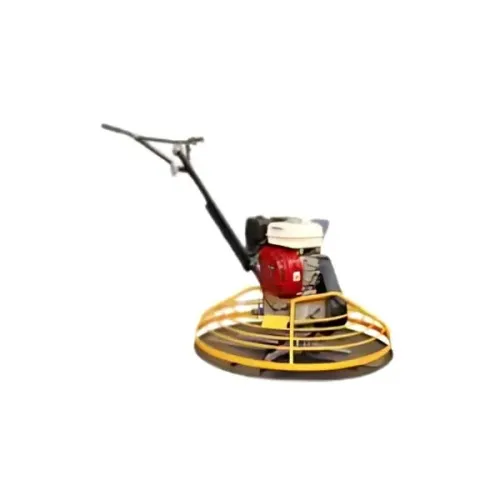
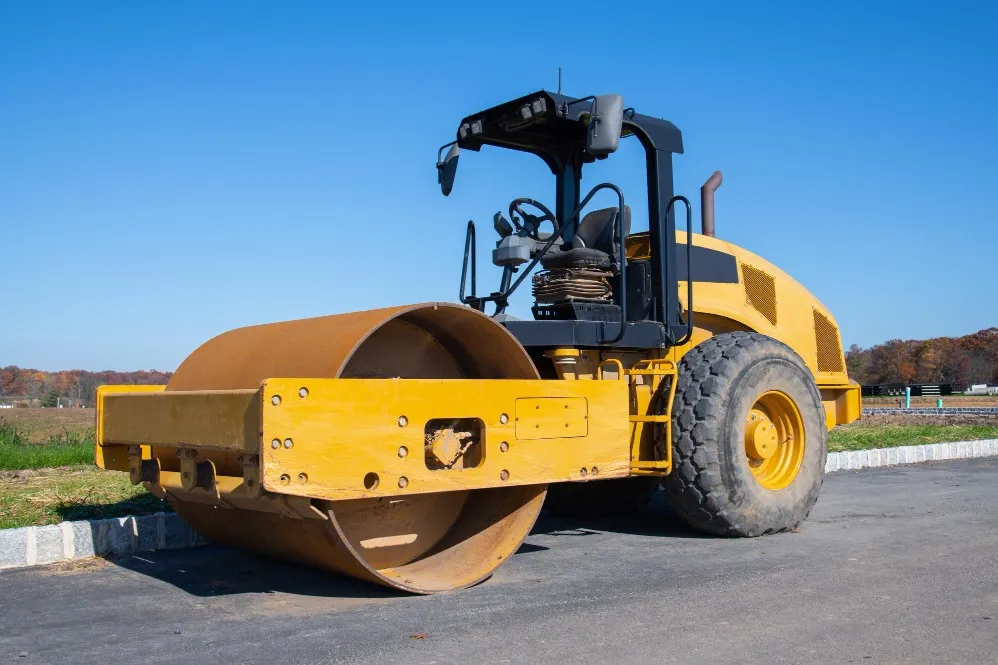
Uneven surfaces, sinking paving blocks, cracked pathways, and unstable filled areas are often linked to inadequate compaction. When soil or aggregate contains unfilled air spaces, it can settle after construction and affect the finished surface. Using the right compactor helps create a stable base before paving, concreting, landscaping, or structural work begins.
Nagpur Agricultural Equipment Engineers Pvt. Ltd assists contractors and site teams in Nagpur with construction equipment suited to different applications. Compaction results depend not only on machine power but also on soil type, moisture level, layer thickness, and operating technique.
Why Settlement Occurs After Construction
Loose filling material may look level when first spread, but surface appearance does not confirm stability. Traffic, rainfall, vibration, and structural weight gradually push particles closer together. This process causes the ground level to drop.
Settlement commonly occurs when:
- Filling material is placed in layers that are too thick
- The wrong compaction machine is used
- Soil contains too much or too little moisture
- Insufficient passes are completed
- Corners and edges are overlooked
- Mixed debris is used as filling material
- Work continues over soft or waterlogged ground
Correcting these issues after paving or construction is usually more disruptive than preparing the base properly at the beginning.
Match the Compactor to the Material
Plate compactors are commonly used for granular soil, sand, gravel, and paving applications. Their broad vibrating plate covers a relatively wide surface and helps rearrange loose particles into a denser layer.
Cohesive soil containing a higher percentage of clay behaves differently. A rammer may be more suitable because its concentrated impact can work effectively in confined areas and certain cohesive materials.
The project team should identify the soil type before choosing equipment. A machine that performs well on granular filling may produce limited results on sticky clay.
Control the Thickness of Each Layer
Compaction should be completed in manageable layers rather than after the entire depth has been filled. If a thick layer is compacted only from the top, the surface may become firm while the lower portion remains loose.
The suitable layer thickness depends on the material and equipment capacity. Each layer should be spread evenly, adjusted for moisture if necessary, and compacted before additional material is placed.
This approach is especially important for:
- Driveways
- Walkways
- Paver-block installations
- Floor bases
- Road shoulders
- Landscape foundations
- Utility reinstatement work
Monitor Moisture Before Compaction
Completely dry soil may not compact efficiently because particles do not rearrange easily. Excessively wet soil can pump, shift, or stick to the equipment.
The ideal moisture level varies by soil type. A simple field observation can identify obvious extremes, but projects with structural requirements may need formal testing. Work should not continue merely because the surface appears dry after rainfall.
Monsoon conditions in Nagpur and other parts of Maharashtra can create hidden moisture below the top layer. Allowing drainage and checking the complete working depth can prevent premature failure.
Improve Compaction Technique
Operators should follow an organised movement pattern with overlapping passes. Random movement can leave untreated strips and create inconsistent density.
Better results usually come from:
- Preparing and levelling the area
- Removing organic waste and oversized debris
- Spreading uniform layers
- Adjusting moisture where required
- Compacting in overlapping passes
- Paying attention to boundaries and corners
- Checking the finished level before adding the next layer
If the machine begins bouncing excessively or stops moving smoothly, the material condition or equipment selection should be reassessed.
Stable construction starts below the visible surface. To choose a compactor for paving, filling, landscaping, or civil work in Nagpur, contact Nagpur Agricultural Equipment Engineers Pvt. Ltd with details of the soil, site size, and required application.
Keywords