Reliable water movement is central to efficient farming. Whether water must be drawn from a well, transferred from a storage tank, supplied to irrigation channels, or removed from a low-lying field, the water pump needs to match the actual application.
Nagpur Agricultural Equipment Engineers Pvt. Ltd serves agricultural and commercial users looking for practical equipment solutions in Nagpur. When evaluating a water pump, buyers should look beyond the pipe diameter or engine size. Water source depth, delivery distance, elevation, discharge requirement, and water quality all influence performance.
Identify the Water Source First
The source of water determines the basic category of pump required. A pump used to lift water from a shallow pond has different operating requirements from one used for a deep borewell.
Common agricultural water sources include:
- Open wells
- Borewells
- Farm ponds
- Canals
- Storage tanks
- Rainwater collection systems
- Nearby surface-water sources
The distance between the water surface and the pump is known as suction lift. If this distance exceeds the pump’s rated capacity, water delivery may become weak or fail completely.
Understand Head and Discharge
Two technical terms are especially important when choosing a water pump: head and discharge.
Head refers to the total height through which the pump must move water. It includes vertical lift, delivery elevation, and losses caused by long pipes, bends, valves, and fittings.
Discharge indicates the volume of water delivered within a particular period. A pump offering a high flow rate may be suitable for flood irrigation or rapid tank filling, while applications such as controlled irrigation may require a different balance between pressure and volume.
Selecting a pump without calculating these factors can lead to slow water delivery, unnecessary fuel consumption, or premature equipment wear.
Choose a Suitable Power Source
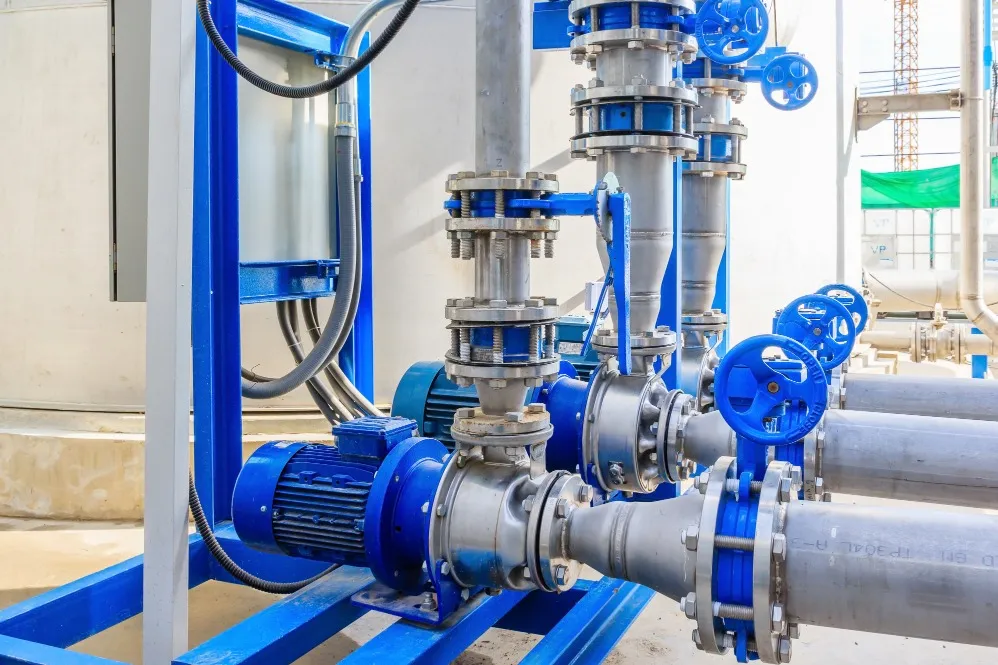
Agricultural water pumps may be powered by electricity, petrol, diesel, or a tractor power take-off system. Each option has distinct advantages.
Electric pumps are generally convenient where a stable power supply is available. Diesel or petrol water pumps offer portability and can be useful for fields located away from a dependable electrical connection. Tractor-operated systems may suit farms where compatible machinery is already available.
Across Nagpur and rural parts of Maharashtra, power reliability and field accessibility often influence this choice as much as the initial equipment cost.
Consider the Type of Water Being Pumped
Clean-water pumps are intended for water with minimal suspended material. If the source contains mud, sand, leaves, or other solids, an unsuitable pump may experience frequent blockages and rapid internal wear.
For water containing debris, the pump should have an appropriate solids-handling capacity and strainer arrangement. The suction inlet must remain submerged without resting directly on the muddy bottom of a pond or well.
Improve Pumping Efficiency
Small installation decisions can significantly affect performance. The suction pipe should be as short and straight as practical, and every connection must be airtight. Even a minor air leak may prevent correct priming.
Good operating practices include:
- Using the recommended pipe diameter
- Avoiding unnecessary bends
- Cleaning the suction strainer
- Checking seals and clamps
- Priming the pump correctly
- Preventing dry running
- Monitoring unusual vibration or sound
A larger pump is not automatically the most efficient choice. Oversized equipment may consume more energy without delivering a meaningful operational advantage.
Plan for Routine Maintenance
Regularly inspect hoses, couplings, seals, filters, and mounting points. Engine-driven pumps also require timely oil changes, air-filter cleaning, and fuel-system care. Water should be drained before extended storage if internal corrosion or freezing could become a concern.
The right agricultural water pump provides consistent output without wasting fuel or electricity. Accurate information about the source, lifting height, delivery distance, required flow, and operating environment makes selection easier and helps farms around Nagpur maintain dependable irrigation.
Keywords