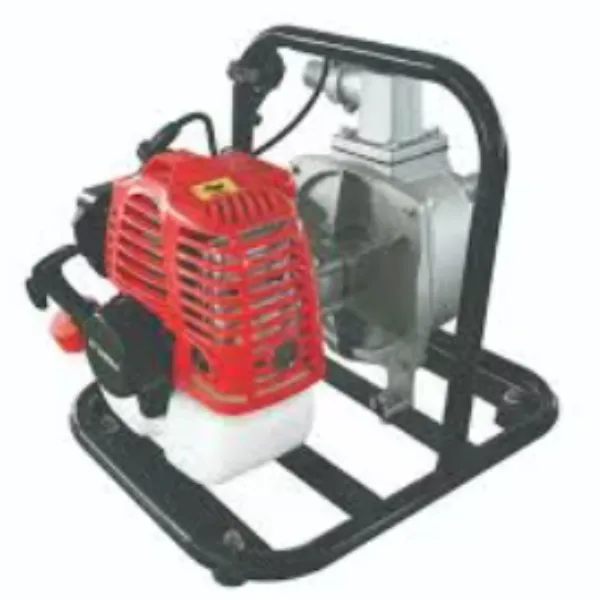
Reliable irrigation depends heavily on moving the required quantity of water from its source to the field efficiently. Selecting a Water Pump without understanding the source depth, discharge requirement, pipe length, plus operating conditions can lead to weak water flow, excessive fuel consumption, frequent breakdowns, plus poor irrigation coverage.
For farmers around Nagpur, Maharashtra, pump selection should begin with the actual irrigation requirement rather than simply choosing a familiar model.
Start With the Water Source
The first question is simple: where is the water coming from?
Agricultural water may come from:
- Open wells
- Borewells
- Farm ponds
- Canals
- Storage tanks
- Rivers
- Reservoirs
Each source creates different pumping conditions.
A pump suitable for transferring water from a shallow source may not be suitable for lifting water from greater depth. The vertical distance between the source plus discharge point has a direct impact on pump requirements.
Understand the Required Flow
Farmers often focus on engine power while overlooking discharge.
The amount of water needed depends on cultivated area, crop type, irrigation method, plus available irrigation time.
A small plot supplied through conventional irrigation may have very different requirements from a larger farm using sprinklers, pipelines, plus multiple irrigation zones.
Choosing insufficient capacity can increase irrigation time. Excessive capacity can raise operating costs without providing meaningful benefit.
Calculate the Total Head
Head is one of the most important considerations in pump selection.
It represents the resistance the pump must overcome while moving water. This includes vertical lift, delivery height, pipe friction, plus losses created by fittings.
Long pipelines, narrow pipes, bends, valves, plus elevation differences can all affect effective pumping performance.
A pump should therefore be selected according to the complete installation rather than water-source depth alone.
Consider Irrigation Method
Different irrigation systems require different pressure characteristics.
Flood irrigation generally focuses on moving larger volumes of water. Sprinkler systems need sufficient pressure for proper spray patterns. Drip irrigation usually requires controlled pressure suitable for filters, mainlines, laterals, plus emitters.
Understanding the final application helps prevent both under-sizing plus unnecessary over-sizing.
Check Power Availability
Pump operation may depend on electricity, diesel power, engine-driven systems, plus other site-specific arrangements.
In rural locations around Nagpur where electrical supply may be limited at certain sites, users sometimes require engine-driven pumping solutions. Permanent installations with dependable electrical infrastructure may follow a different selection approach.
The operating environment should therefore be considered before finalising equipment.
Pipe Size Influences Performance
A correctly selected pump can still perform poorly when connected to an unsuitable pipeline.
Undersized pipes create greater friction loss. Excessive bends plus restrictive fittings can further reduce discharge.
When planning a pumping system, examine:
- Suction pipe diameter
- Delivery pipe diameter
- Total pipe length
- Number of bends
- Valves
- Elevation
- Expected discharge
Looking at the complete system usually produces better results than evaluating the pump separately.
Avoid Running a Pump Outside Suitable Conditions
Improper operation can shorten equipment life.
Common problems include inadequate priming, blocked suction lines, clogged strainers, air leakage, unsuitable suction conditions, plus prolonged operation without sufficient water.
Regular inspection can identify many of these issues before they develop into expensive failures.
Choosing Equipment Based on Real Field Conditions
Nagpur Agricultural Equipment Engineers Pvt. Ltd. supplies equipment for agricultural plus commercial applications in Nagpur. Customers evaluating pumping equipment can benefit from sharing actual site details before choosing capacity.
Useful information includes water-source type, approximate depth, delivery distance, elevation, pipe size, irrigation area, plus intended daily operating hours.
A properly selected Water Pump should provide the required discharge efficiently while remaining practical to operate plus maintain. Matching equipment to real field conditions is usually the most dependable route to satisfactory irrigation performance.
Keywords