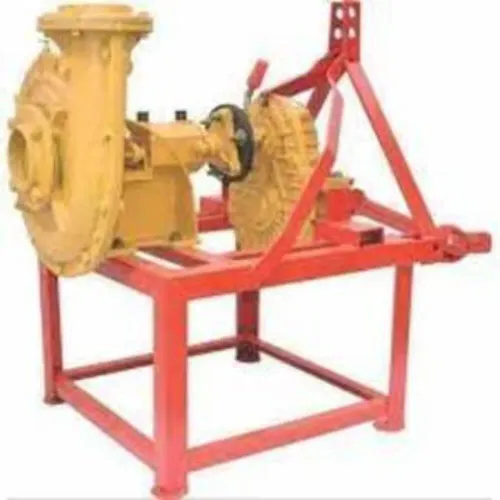
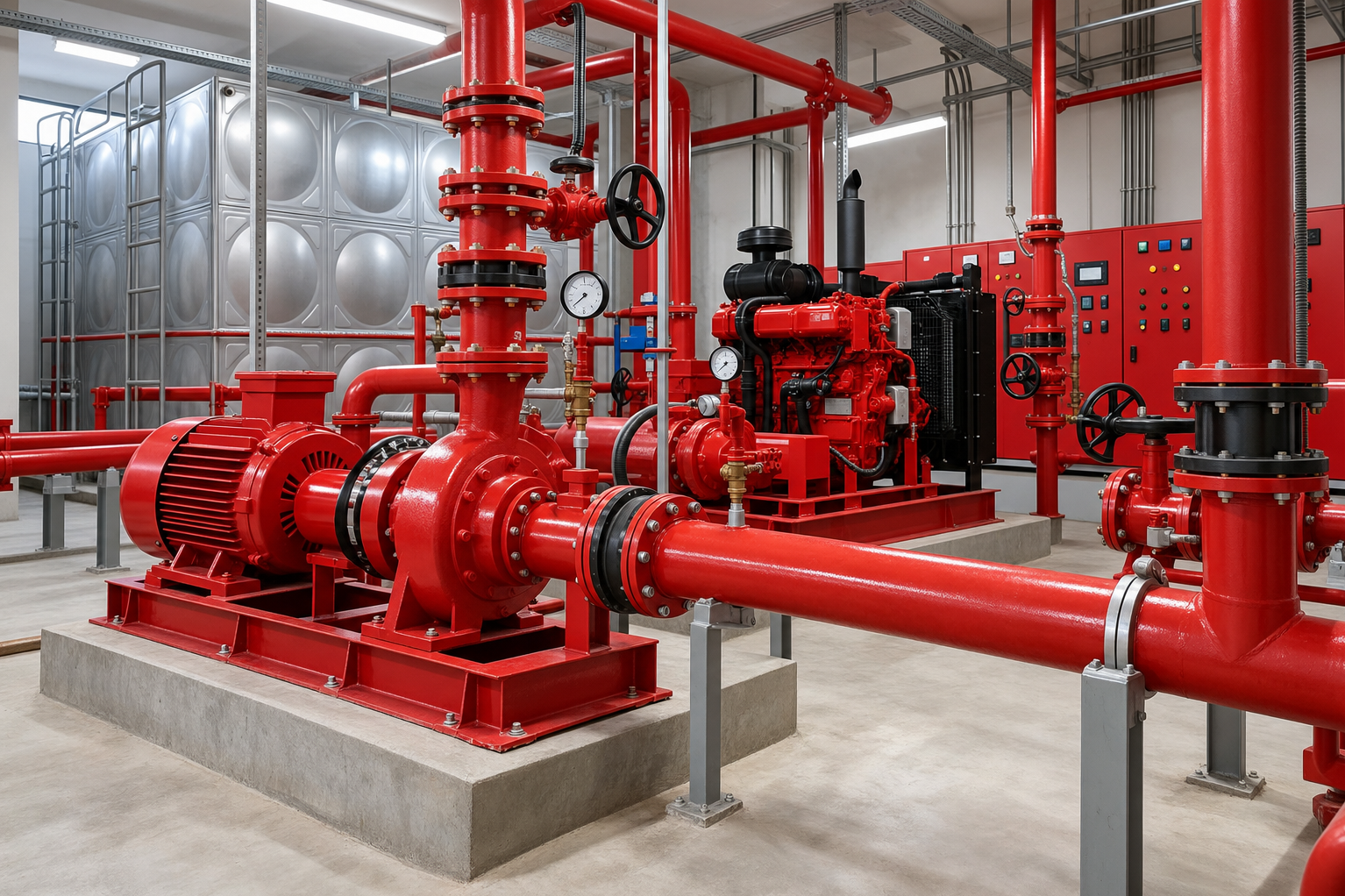
A fire protection system depends on dependable water delivery during an emergency. Fire Fighting Pumps form a critical part of many fire water systems because they help provide the required flow plus pressure to sprinklers, hydrants, hose systems, plus other fire protection infrastructure.
For commercial buildings, warehouses, factories, institutional facilities, plus infrastructure sites in Nagpur, pump selection should be approached as an engineered safety requirement rather than a routine water-pumping purchase.
Start With the Fire Protection Design
Fire pump capacity should come from the requirements of the complete fire protection system.
Building size, occupancy, hazard classification, water storage, hydrant layout, sprinkler demand, elevation, plus applicable codes can influence the required flow plus pressure.
A facility manager should not estimate pump size simply from building area.
The system should be designed plus reviewed by qualified fire protection professionals according to applicable regulations plus standards.
Understand Flow Plus Pressure Requirements
Fire protection equipment needs sufficient water at the required pressure when the system is activated.
If pressure is too low, water may not reach the required point effectively. Incorrect system sizing can also affect the performance expected from hydrants plus sprinklers.
Hydraulic calculations help establish system demand.
The selected pump should correspond to those engineered requirements.
Consider the Water Source
The fire water source may include dedicated tanks plus other approved arrangements depending on the facility design.
The pump installation must be coordinated with storage capacity, suction arrangement, pipework, plus fire system configuration.
Poor suction conditions can affect pump performance even when the nominal pump capacity appears suitable.
Reliability Is Central
Fire equipment may remain inactive for long periods before being required immediately.
This makes inspection plus testing essential.
Facilities should maintain a planned schedule covering the complete fire protection system.
Pump-related checks may include:
- Leakage
- Valve position
- Controller condition
- Power availability
- Fuel level where relevant
- Battery condition
- Suction arrangement
- Pressure readings
- Visible damage
Testing requirements should follow applicable fire safety standards plus professional guidance.
Installation Quality Matters
A high-quality pump cannot compensate for poor installation.
Pipe sizing, alignment, foundations, valves, suction configuration, electrical systems, controllers, plus ventilation where relevant must all be considered.
Fire pump rooms should also remain accessible for inspection plus emergency maintenance.
Storage materials should not block access to critical fire equipment.
Documentation Helps Facility Teams
Buildings can change managers, maintenance contractors, plus operational staff over time.
Clear records make system management easier.
Facilities should maintain drawings, equipment details, test records, maintenance history, plus relevant approvals where required.
Staff responsible for the premises should know where key fire protection equipment is located plus whom to contact if a fault is identified.
Replacement Decisions Need Technical Review
Age alone does not determine whether a fire pump should be replaced.
Performance, condition, maintenance history, availability of parts, system modifications, plus compliance requirements all matter.
If a building undergoes expansion plus changes in occupancy, the original fire protection design may also need reassessment.
Selecting Fire Pump Equipment in Nagpur
Nagpur Agricultural Equipment Engineers Pvt. Ltd. serves commercial plus industrial customers looking for pump equipment in Nagpur, Maharashtra.
For Fire Fighting Pumps, buyers should arrive with system drawings, required flow, required pressure, water-source details, plus specifications prepared by the relevant fire protection consultant where available.
Fire safety equipment should never be selected through guesswork. Proper engineering, compliant installation, scheduled testing, plus dependable maintenance collectively determine whether the system is ready when an emergency occurs.
Keywords