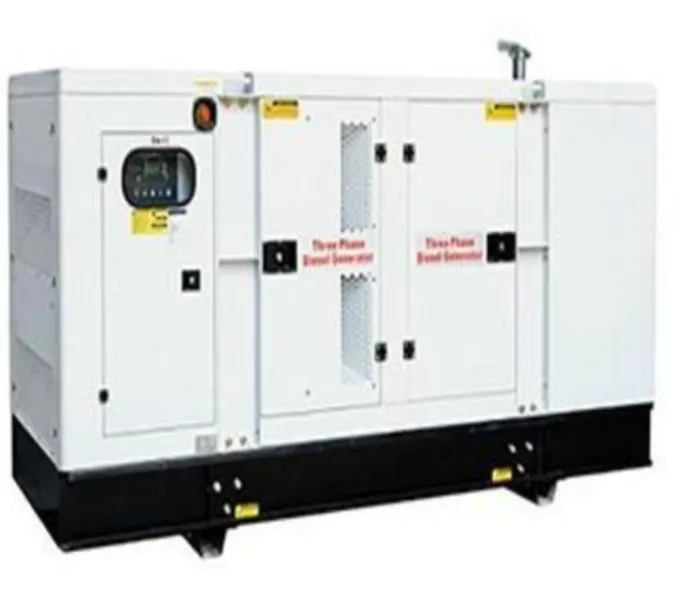
Power interruptions can stop pumps, machinery, tools, lighting, plus essential site operations. For farms, construction sites, industrial facilities, warehouses, plus commercial properties, a Diesel Generator provides an independent source of electrical power when the normal supply becomes unavailable.
Selecting generator capacity correctly is important because both under-sizing plus unnecessary over-sizing can create operational problems.
How a Diesel Generator Produces Electricity
A diesel generator combines a diesel engine with an alternator.
The engine converts fuel energy into mechanical motion. The alternator converts that mechanical motion into electrical energy that can be supplied to connected equipment.
Generators can support temporary worksite requirements, emergency backup, remote operations, plus facilities where uninterrupted electricity is important.
Calculate the Actual Electrical Load
Generator selection should start with a list of equipment expected to run simultaneously.
Possible loads may include:
- Water pumps
- Construction tools
- Lighting
- Office equipment
- Small machinery
- Motors
- Compressors
- Site cabins
Each device has a rated electrical requirement. Certain motors also require substantially more power during startup compared with normal running conditions.
Ignoring starting current is a common reason for poor generator performance.
Why Generator Capacity Matters
An undersized generator may experience voltage instability, excessive loading, shutdowns, plus difficulty starting motors.
Choosing an excessively large generator can also be inefficient when the actual operating load remains very low for long periods.
A better approach is to calculate realistic simultaneous demand, account for starting loads, then retain sensible spare capacity for safe operation plus modest future requirements.
Construction Sites Have Changing Loads
A construction project rarely maintains the same electrical requirement throughout its entire duration.
Early work may need pumps plus basic tools. Structural stages may introduce mixers, cutting equipment, lifting accessories, plus additional lighting. Finishing work may involve several smaller electrical tools.
Contractors in Nagpur should therefore consider both current usage plus expected project-stage requirements when planning temporary power.
Agricultural Applications
Generators also support agricultural operations where dependable electricity is needed for pumping, processing, lighting, storage, plus selected machinery.
For farms outside dense urban areas, backup power can help maintain essential operations during supply interruptions.
The required generator size should still be calculated from connected loads rather than farm acreage alone.
Installation Conditions Matter
Generators require appropriate placement.
The installation area should provide suitable ventilation, safe exhaust routing, stable ground, plus sufficient access for routine servicing.
Users should follow manufacturer instructions concerning clearances, earthing, electrical protection, fuel handling, plus operating conditions.
Professional electrical installation is important for systems connected to building distribution networks.
Routine Checks Improve Reliability
Backup equipment provides value only when it starts reliably when needed.
Periodic checks commonly cover:
- Engine oil
- Coolant where applicable
- Fuel condition
- Battery
- Air filter
- Electrical connections
- Belts
- Leakage
- Control panel indicators
Generators that remain unused for extended periods should still receive periodic inspection plus scheduled testing according to manufacturer guidance.
Fuel Consumption Should Be Considered
Fuel use depends on generator size, load percentage, engine efficiency, maintenance condition, plus operating duration.
This is another reason to avoid selecting equipment based solely on the largest available capacity.
Accurate load assessment can support better fuel efficiency plus more suitable equipment utilisation.
Planning Backup Power in Nagpur
Nagpur Agricultural Equipment Engineers Pvt. Ltd. works with customers seeking power equipment for agricultural, construction, commercial, plus industrial requirements.
Before selecting a Diesel Generator, prepare a basic list of connected equipment, rated power, motor starting requirements, operating hours, site conditions, plus future load expectations.
This information makes capacity selection more precise. A generator matched to real demand can provide dependable backup power without unnecessary complexity, helping worksites around Nagpur remain functional when regular electricity becomes unavailable.
Keywords