

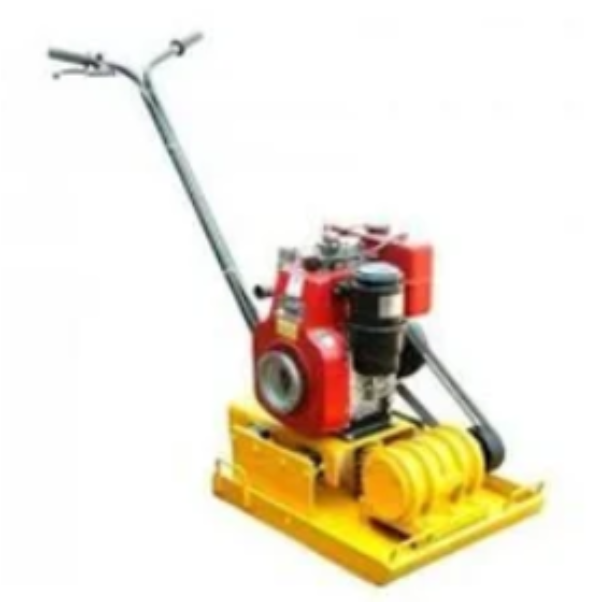
Compaction is a critical stage in preparing stable surfaces for roads, pathways, foundations, landscaping work, plus several civil construction applications. A suitable Compactor helps reduce air voids within material, improve density, plus create a more stable base for subsequent construction.
For contractors in Nagpur, equipment selection should begin with the material being compacted plus the physical characteristics of the work area.
Why Compaction Quality Matters
Loose material can settle after construction.
That settlement may contribute to uneven paving, depressions, surface movement, plus premature deterioration.
Compaction helps particles rearrange into a denser structure. The result depends on material characteristics, moisture content, layer thickness, machine type, plus number of passes.
Simply moving a machine repeatedly across the surface does not guarantee correct compaction.
Identify the Material First
Different materials respond differently to compaction.
Granular materials such as sand plus gravel behave differently from cohesive soils containing significant clay content.
Machine selection should therefore reflect what lies beneath the compactor.
For paving preparation, contractors may need equipment suited to granular sub-base materials. For confined soil backfill, another compaction method may be more practical.
Plate Size Influences Manoeuvrability
A larger working plate can cover more area during each pass, but it also needs more operating space.
Compact equipment may be preferable around building edges, pathways, landscaping zones, plus locations with limited access.
Before selecting a machine, measure the actual working area rather than considering only total project size.
Check Compaction Depth Requirements
Construction materials are generally placed in layers before compaction.
Trying to compact an excessively thick layer can leave deeper material inadequately consolidated even when the surface appears firm.
Correct lift thickness depends on material, moisture, equipment characteristics, plus project specifications.
Following engineering requirements remains essential for structural applications.
Moisture Content Changes Results
Soil that is too dry may resist effective compaction. Excessively wet soil can deform under equipment without achieving suitable stability.
Field conditions around Nagpur can change significantly between dry summer periods plus monsoon conditions.
Contractors should account for current moisture conditions before proceeding with major compaction work.
Consider Daily Work Volume
Equipment capacity should reflect expected productivity.
A contractor handling small paving jobs has different needs from a team working on repeated road-edge, industrial, plus infrastructure projects.
Estimate the approximate area requiring compaction each day. Then consider machine width, operating speed, number of passes, plus available working hours.
This provides a more useful basis for equipment selection than engine output alone.
Inspect the Machine Before Use
Routine checks can prevent avoidable downtime.
Operators should inspect:
- Engine oil
- Fuel
- Belt condition where applicable
- Fasteners
- Compaction plate
- Controls
- Protective components
- Visible leakage
Dust plus construction residue should be cleaned regularly according to equipment guidance.
Avoid Common Operating Mistakes
Compaction quality can suffer when crews rush the process.
Common mistakes include working with unsuitable moisture levels, placing layers too thickly, skipping overlapping passes, using the wrong machine for the soil, plus operating equipment without routine maintenance.
Operator familiarity also matters. Teams should understand safe startup, movement, shutdown, plus handling procedures.
Finding Suitable Equipment in Nagpur
Nagpur Agricultural Equipment Engineers Pvt. Ltd. serves construction customers requiring equipment for varied site conditions.
When enquiring about a Compactor, provide information about the material, approximate area, layer thickness, access width, project type, plus expected daily usage.
Those details help narrow the equipment requirement more accurately.
Effective compaction begins with correct preparation. When material condition, layer thickness, machine capability, plus operating technique are aligned, contractors can create a more dependable base for the construction work that follows.