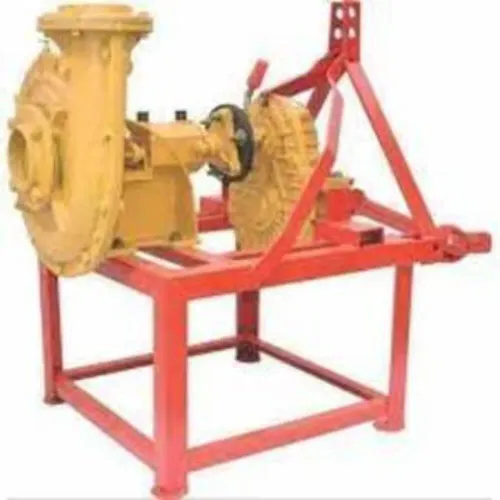
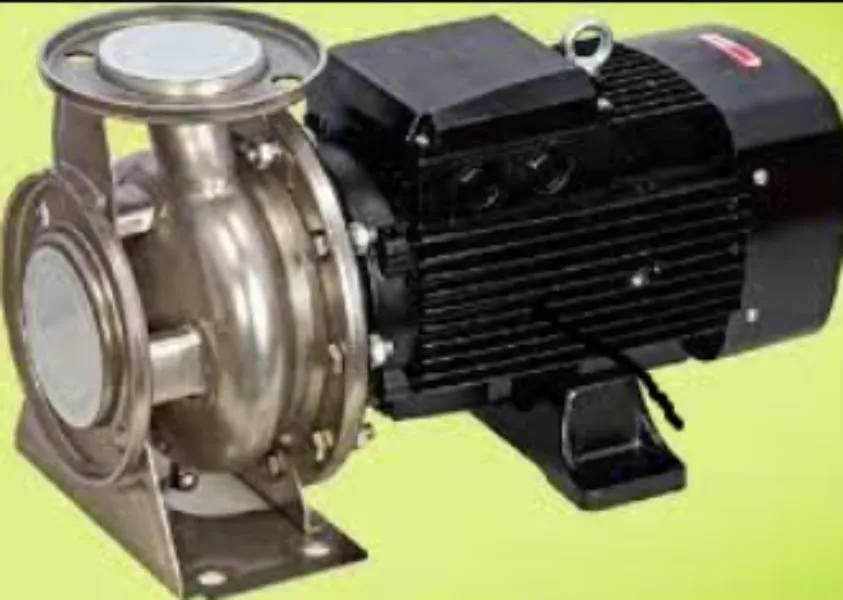
A fire fighting pump is intended to deliver water at the flow and pressure required by a fire protection system. It may support hydrants, hose reels, sprinklers, or other approved arrangements when the normal water supply cannot meet emergency demand. For factories, warehouses, construction sites, institutions, farms, and commercial premises, the decision should be based on risk and system requirements rather than purchase price alone.
Nagpur Agricultural Equipment Engineers Pvt. Ltd assists organisations in Nagpur with equipment requirements for industrial, agricultural, and commercial applications. A fire fighting pump must be evaluated as one part of a complete safety system that includes water storage, piping, controls, access, inspection, and trained response.
What Determines the Investment?
The cost of a fire fighting pump system varies according to required flow, pressure, operating method, installation complexity, and site conditions.
Important cost factors include:
- Pump type and capacity
- Electric or diesel drive
- Jockey pump requirements
- Control-panel configuration
- Water-storage arrangements
- Suction and delivery pipework
- Foundation and installation work
- Testing and commissioning
- Routine inspection and servicing
- Replacement of wear components
Comparing prices without matching these specifications can be misleading. Two pumps may appear similar while offering different performance under emergency conditions.
Understanding Operational Readiness
Ownership does not automatically mean the site is protected. The pump must be correctly installed, connected to an adequate water source, and maintained in a ready condition.
Readiness indicators include:
- The pump starts through the intended control arrangement.
- Suction conditions remain within design limits.
- Required pressure is maintained during testing.
- Fuel, batteries, and cooling systems are serviceable.
- Valves remain in their correct operating positions.
- There are no visible leaks or damaged connections.
- Inspection and test records are current.
- Responsible staff understand basic emergency procedures.
A pump that has not been tested for an extended period may fail when it is needed most.
Evaluating Return on Investment
The return from fire-protection equipment is not measured like revenue-generating machinery. Its value lies in reducing the potential consequences of an uncontrolled incident.
A functional system may help limit:
- Damage to buildings and machinery
- Loss of stock and raw materials
- Business interruption
- Risk to employees and visitors
- Delays in restoring operations
- Damage spreading to adjacent properties
- Financial exposure associated with inadequate preparedness
For industrial premises in Nagpur and wider Maharashtra, downtime after a major fire can affect production commitments, supply chains, employment, and customer relationships.
Electric and Diesel Pump Considerations
Electric fire pumps can provide straightforward operation where a reliable electrical arrangement is available. Diesel-driven units offer an independent power source, but they require fuel management, battery care, ventilation, cooling, and engine maintenance.
Some facilities use a combination of main, standby, and jockey pumps according to the approved system design. The selection should follow applicable safety requirements and site-specific calculations.
Questions to Ask Before Purchase
Before finalising a pump, determine:
- What flow and pressure are required?
- Which fire protection systems will it supply?
- Is the available water source adequate?
- What is the expected suction condition?
- Which power source is appropriate?
- How will automatic starting be tested?
- Who will perform routine servicing?
- Are spare parts and technical support accessible?
Professional system design and correct commissioning are essential because fire protection performance depends on the complete installation.
Businesses evaluating fire fighting pumps in Nagpur can connect with Nagpur Agricultural Equipment Engineers Pvt. Ltd to discuss capacity, drive options, site conditions, and maintenance needs. A properly selected and tested system supports long-term emergency readiness rather than merely fulfilling an equipment checklist.
Keywords