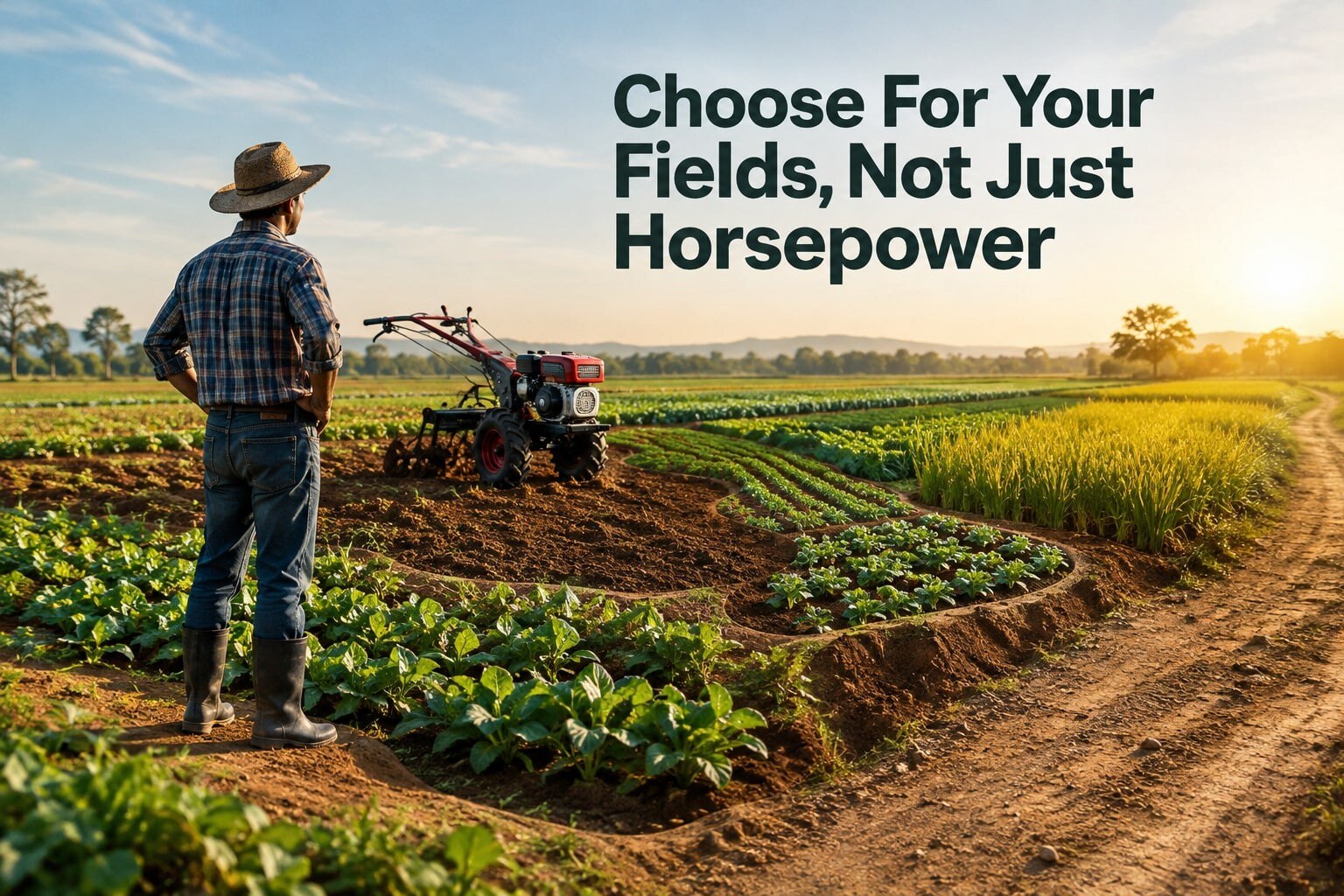
The better machine depends less on advertised horsepower than on row spacing, soil condition, implement needs and the acres you will actually work. By the end, you can identify the right machine type, calculate the space and operating data you need, and test an Angad model against a mini tractor before committing to a purchase.
Key takeaways
- Match the machine to your jobs before comparing horsepower.
- Measure turning space, row width and headlands before choosing a power weeder.
- Request model-specific width, fuel use, depth and implement data.
- Include transport, maintenance and seasonal use in annual cost comparisons.
Start with the jobs, not the horsepower
A small farm needs a machine matched to its jobs, not the highest horsepower.
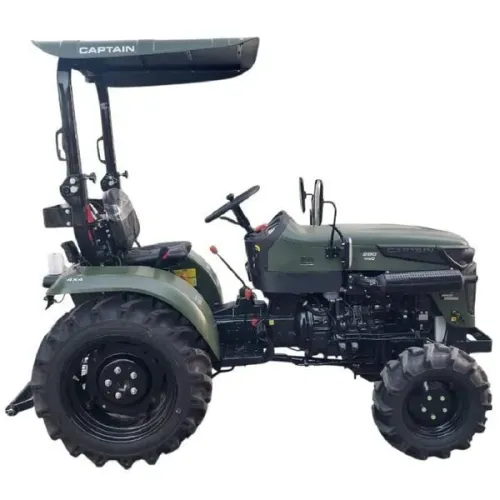
Choose a walk-behind power weeder for inter-row cultivation, seedbed preparation and light rotary tillage; choose a power tiller when you need a heavier walk-behind machine for deeper work and more attachments; choose a mini tractor when transport, lifting and several implements matter.
| Machine | Jobs it handles well | Main limitation |
|---|---|---|
| Walk-behind power weeder | Narrow inter-row work, light tillage, orchard alleys | Limited load carrying and implement range |
| Power tiller | Heavier tillage, puddling and compatible trailer or attachments | Harder to manoeuvre in tight rows |
| Mini tractor | Tillage, trailer work, three-point implements and hydraulic lifting | Higher purchase, storage and operating cost |
For an angad diesel power weeder or mini tractor for small farms in nagpur, list the work you will perform each season: cultivating rows, preparing beds, moving manure, carrying produce, pumping water or towing a trailer. A mini tractor or power weeder becomes an easier decision once transport appears on that list.
Measure row spacing against the machine and implement width, leaving clearance on both sides. Check that the headland accommodates the machine’s full turning path; a narrow end forces reversing and can crush plants. In orange orchards, confirm that rotary blades will not reach shallow feeder roots or irrigation lines, and use controllable working depth.
Check whether your fields give a power weeder enough room
A power weeder for small farms works when the machine fits the crop geometry, not simply when the acreage is small. Measure every plot: row-to-row spacing, alley width, plot length, gate width and the distance between crop rows and irrigation lines.
A fragmented 1-hectare farm can suit a walk-behind machine better than a compact field requiring frequent trailer work.
- Measure the machine’s outside width, rotary tine width and wheel spacing with attachments fitted. Choose a setting that leaves a visible safety margin on both sides of the crop row; do not treat the manufacturer’s nominal cutting width as clearance. In cotton or soybean, blades that reach the stems or shallow roots will cause damage before you notice it.
- Check adjustable wheel spacing and handle position. The operator must be able to keep the weeder centred while standing outside the crop row, without leaning into plants.
- Mark the row-end headland and turn the actual machine there. Use the stated turning radius or turning circle, then add at least 0.5 metre of working margin. A narrow headland that forces a three-point lift, reverse correction or sharp skid increases crop damage.
- Test the lowest forward speed and reverse control in the farm’s soil. Wet soil, ridges and residue demand more room than loose showroom soil.
- In orchards, measure tree-alley width and locate drip lines and shallow feeder roots before engaging rotary blades. Select controllable depth and keep the tine path away from trunks and irrigation lines.
If the rows, gates or headlands fail this test, a mini tractor is not automatically better; first compare a narrower implement or a different field layout.
Demand model-specific field data before comparing Angad machines
A model name is not enough for an Angad diesel power weeder. Ask for the machine’s nameplate, operator manual and test certificate, then match the exact model and engine rating to the quotation.
Request these details in writing:
- Rated engine power, rated rpm, fuel-tank capacity and starting system
- Rotary working width, stated maximum depth, blade type, blade count and available attachments
- Gearbox speeds, reverse gear, wheel size, machine weight and steering controls
- Field capacity in acres per hour, measured at a stated width, depth and soil condition
- Fuel use in litres per hour under load, or litres per cultivated acre
- Warranty terms and local availability of belts, clutch parts, rotary blades, filters, injectors and tyres
| Claim | Evidence to demand | How to read it |
|---|---|---|
| Tillage depth | Depth, soil moisture, number of passes and blade width from a field test | Maximum depth in loose soil does not equal consistent depth in heavy or wet soil |
| Working speed | Loaded operating speed while cultivating, including turns and blockages | No-load speed exaggerates usable output |
| Fuel economy | Fuel consumed over a measured area at a stated depth and engine speed | Unloaded litres per hour cannot support a fair diesel power weeder comparison |
Treat “high speed” and “deep tillage” as test conditions, not permanent performance. Compare fuel cost per acre and actual field capacity with the mini tractor’s figures; a machine that covers fewer acres per hour can still win if it consumes less and avoids costly downtime.
Compare the annual cost of cultivation and transport
A mini tractor earns its higher cost when cultivation is only one part of the work. If you regularly move produce, water, manure or a trailer between separated plots, its drawbar, hydraulic lift, operator seat and three-point linkage replace several hiring or manual-handling costs.
| Cost or capability | Mini tractor | Diesel power weeder |
|---|---|---|
| Cultivation | Wider implement choice and higher output | Inter-row work, seedbed preparation and light rotary tillage |
| Transport | Trailer and road movement possible | No equivalent drawbar or carrying capacity |
| Annual fixed cost | Higher purchase, finance, storage and service cost | Lower purchase and storage cost |
| Best economic fit | Several jobs across many acres | Few acres needing frequent cultivation |
Calculate each machine’s annual cost as annualised purchase or finance payments, fuel, scheduled servicing, blades, belts, filters, tyres, transport and expected downtime. Divide that total by the acres actually worked. A large tractor used for only a few hours each season produces an expensive cost per acre.
For a fair diesel power weeder comparison, reject an unloaded litres-per-hour claim. Request fuel use per cultivated acre at a stated blade width, tillage depth, soil moisture and engine speed. A power weeder offers better small-farm economics when plots are compact, rows are accessible and cultivation is its main job.
A mini tractor justifies the premium when transport, hydraulic lifting or multiple implements will keep it working throughout the year. Service delays also matter: unavailable blades, injectors or clutch parts can erase a low purchase price during a short weeding window.
Use a Nagpur field demonstration as the final buying test
Treat the demonstration as the final test for an angad diesel power weeder or mini tractor for small farms in nagpur, not a showroom ritual. Ask to see the machine’s nameplate, operator manual, test certificate and written warranty; the product name alone does not identify engine, width, transmission or attachments.
| Check | Power weeder evidence | Mini tractor evidence |
|---|---|---|
| Cold start | Starts without extended cranking or abnormal smoke | Starts cold without excessive smoke or battery strain |
| Field work | Maintains controllable depth in your soil; blades avoid roots and irrigation lines | Three-point lift, steering and hydraulics handle your intended implement |
| Manoeuvring | Reverse, low-speed control and row-end turns protect crops | Turning circle and headland fit the actual plot |
| Transport | Loads securely onto your vehicle; tie-down points are clear | Trailer loading, road clearance and braking are practical |
| Operator comfort | Vibration, clutch effort and controls remain manageable | Seat, controls and visibility remain manageable |
Operate it in the farm’s heavy or wet soil, then engage and disengage the blades under load. Do not accept loose, dry showroom soil as proof.
- Record model number, serial number, working width, depth, fuel used, demonstration hours and attachment settings.
- Confirm Nagpur availability of belts, clutch parts, blades, filters, injectors and tyres, plus response time for breakdowns.
- Ask Nagpur Agricultural Equipment Engineers Pvt. Ltd. to write the service contact, warranty exclusions and transport responsibility on the quotation.
A machine that performs well but sits idle awaiting a part can cost more than a small horsepower difference.
Related items
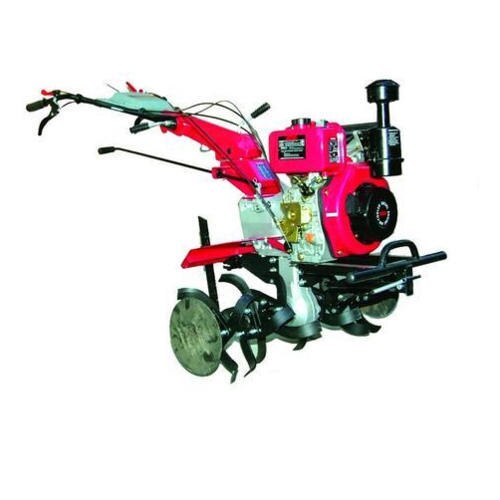 | Angad Power Weeder Angad Power Weeder ( Diesel Hull ) Fuel Type Diesel Power 5HP Type Farm Cultivator Transmission Gear Product Description We are the prominent company that is engaged in providing high... |
 | ₹95000 Angad 8 HP Diesel Power Weeder/Tiller Equipped with 8 HP Aircool Diesel Engine Reverse/Forward Gears Comes with Rubber tires, Steel Tires and... View product → |
Frequently asked questions
How do you choose between a mini tractor and a power weeder for a small farm?
List your jobs first, then compare required implements, field access, turning space, transport needs and annual operating costs.
When is a diesel power weeder unsuitable for a small farm?
It is a poor fit when fields need high drawbar pulling power, have insufficient turning space, or require implements the model cannot operate.
What field data should you request before comparing Angad machines?
Ask for the exact model’s working width, turning radius, operating weight, fuel consumption, tilling depth, power output and compatible implements.
What should a Nagpur field demonstration test?
Test starting, steering, turning at headlands, soil penetration, implement changes, operator comfort and transport over the routes you actually use.
Keywords