

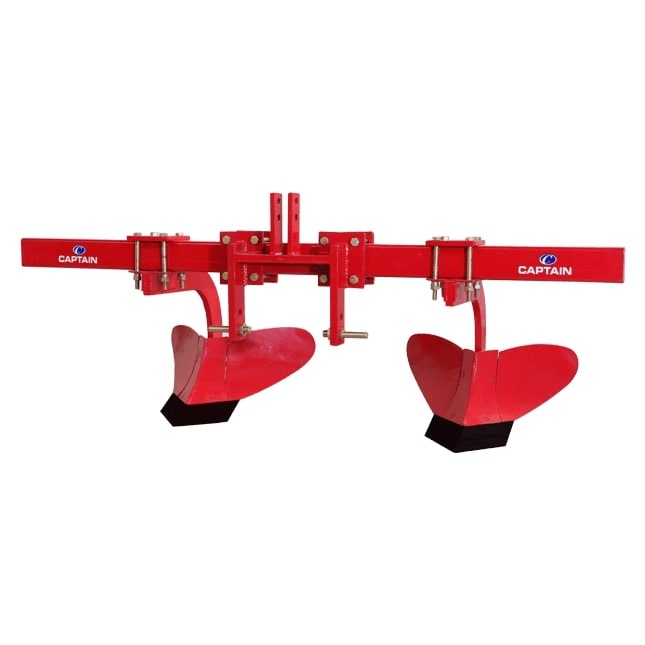
an agricultural implement used to create raised ridges and corresponding furrows in the soil. This practice, called ridging or hilling, is performed as a secondary tillage operation on already-ploughed soil.
Function and benefits
Ridging offers several advantages for crop cultivation:
Creates raised beds: Provides an ideal environment for row crops like potatoes, sugarcane, cotton, and vegetables.
Improves drainage: Elevated rows prevent water from pooling, reducing the risk of root rot and other waterlogging-related issues.
Enhances soil aeration: Looser, aerated soil in the ridges allows for better root development and growth.
Facilitates irrigation: The furrows created between the ridges can be used as channels for water flow in controlled flood irrigation.
Aids harvesting: For root crops, ridges make it easier to dig up and harvest the plants.
Controls soil erosion: In fields with a slope, creating contour ridges can slow down surface water runoff.
Design and operation
A ridger plough operates by cutting and displacing soil to form the ridges and furrows.
Components: The primary parts of a ridger include a frame, a hitch system for attaching to a tractor or power tiller, and a ridger body. The body has a wedge-shaped share that penetrates the soil and two mouldboards that lift and cast the soil in opposite directions.
Tractor-drawn models: Most modern ridgers are tractor-mounted and can create multiple ridges in a single pass. The depth and width of the ridges are often adjustable.
Disc ridgers: Some models use rotating, angled discs to cut and shape the soil, which works especially well in heavier clay soils.
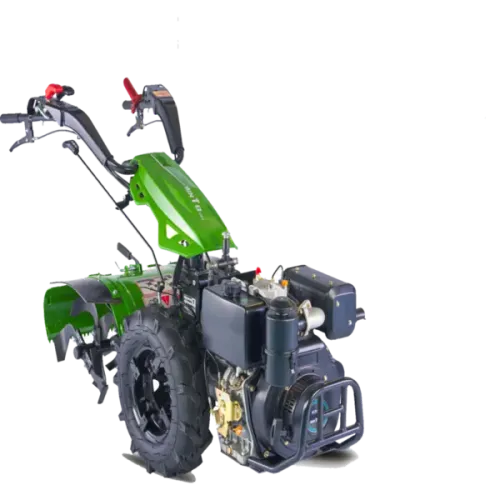
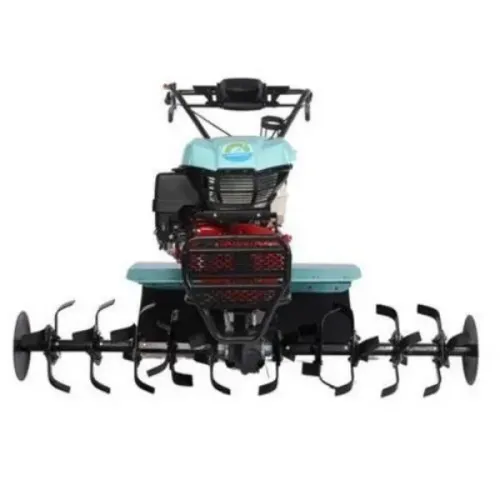
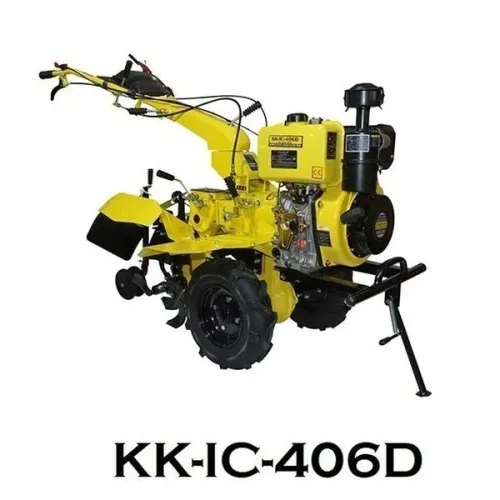
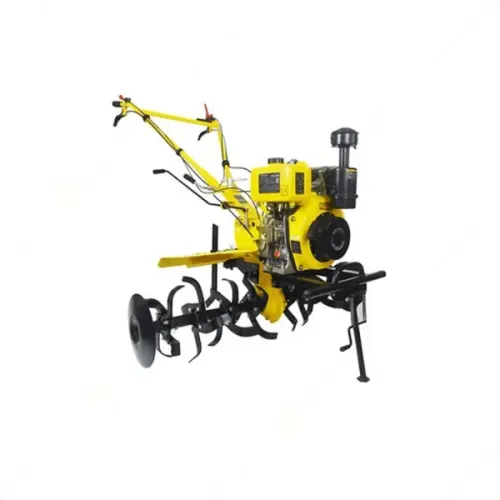
Power tiller attachments: Smaller, single-row ridgers are available as attachments for lower-horsepower power tillers and cultivators.